

MY FAVOURITE 7 HERBS TO HARVEST AND DRY FOR HERBAL TEAS ALL WINTER LONG
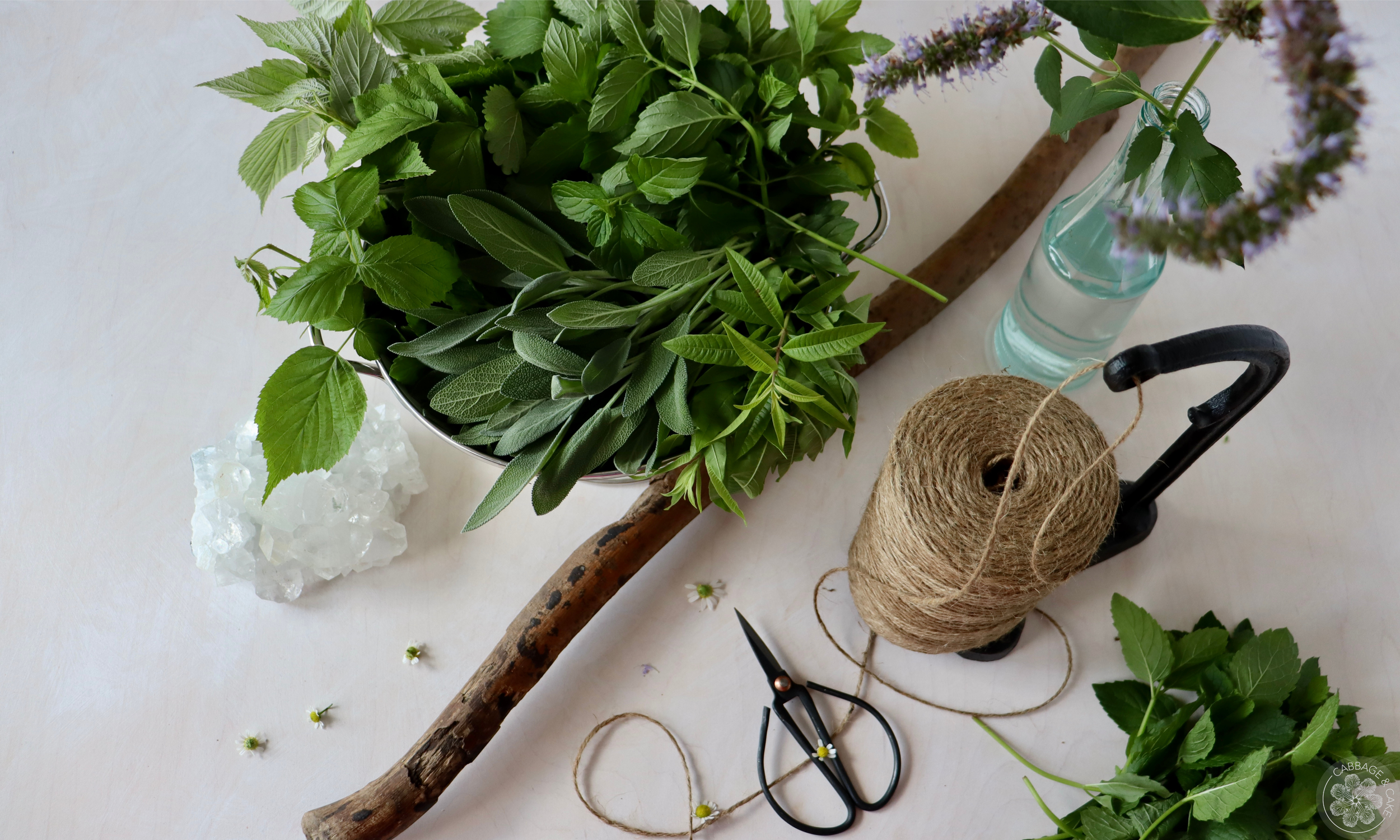
I love growing and drying my own herbs for herbal teas. It brings me closer to nature and gives me a chance to preserve the flavours of summer for the long winter months ahead. I find homegrown tea tastes fresher and better than store-bought and I can create my own blends and experiment with new flavour combinations, which I really enjoy doing.
Herbal teas are made by steeping dried herbs, flowers, fruits or spices in hot water and are not considered true tea since they don’t contain the leaves of the Camellia sinensis plant which are used to make black, green and white teas. Other than true tea, herbal teas, also known as tisane or infusions don’t contain caffeine and are therefore a good alternative if you are sensitive to caffeine. They come in a wide array of flavours and are often enjoyed for their health benefits.
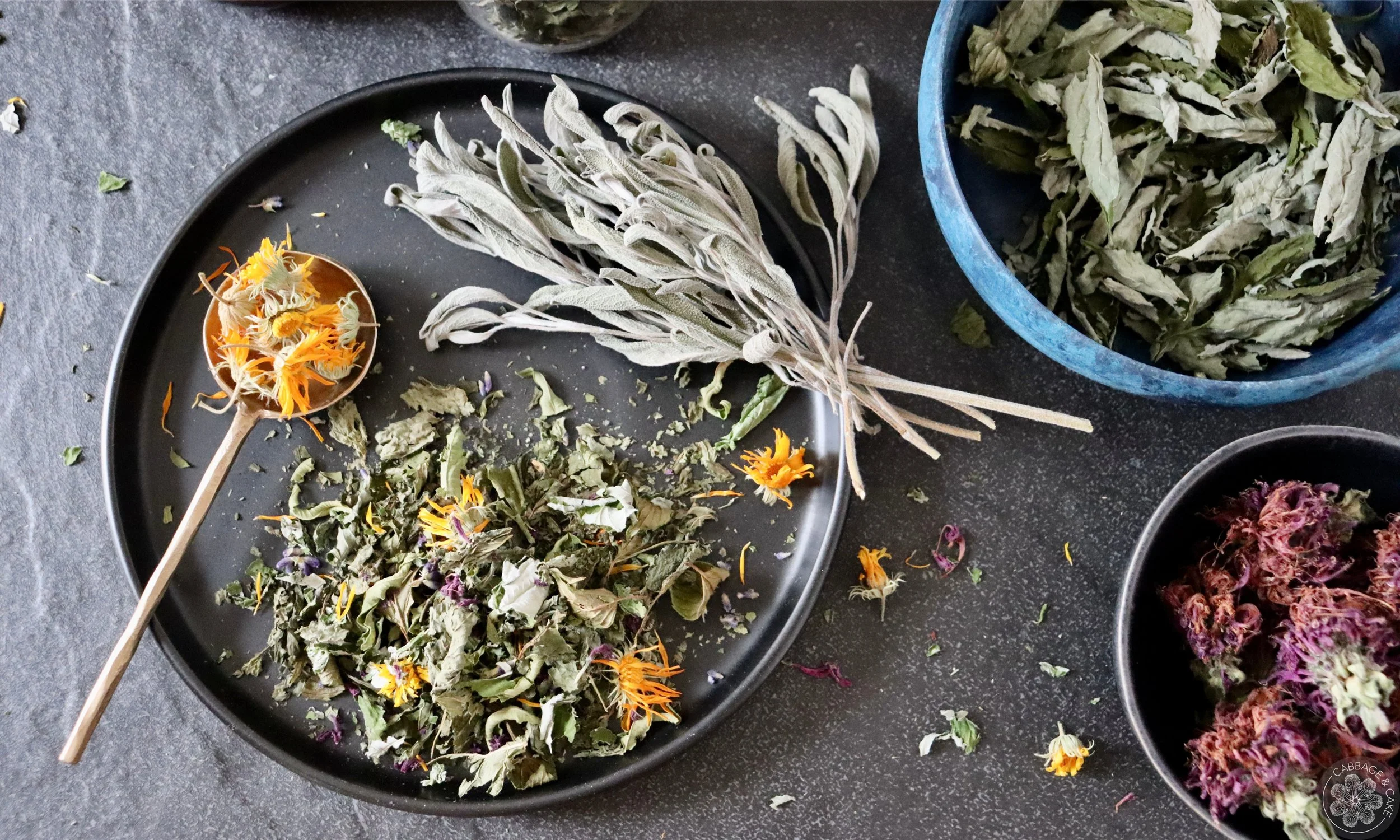
Besides the joy of growing my own herbs I find it is also cheaper and more sustainable to grow your own plants for infusions. Not only do you have control over the growing process and can avoid pesticides, you also don’t have to worry about any other ingredients, chemicals and microplastics from teabags which can be released when steeping them in hot water.
Herbs don’t need a lot of space or extensive care to grow, and you can plant them in smaller spaces, utilizing window boxes, pots, grow bags and raised beds.
In this article I will introduce you to my favourite 7 herbs (mint, sage, thyme, lemon balm, lemon verbena, raspberry leaf and anise hyssop) that I like to grow myself and give a short flavour profile for each. I’ll provide some blend options, potential health benefits and some personal tips I’ve learned through my own way of growing, drying and enjoying homegrown herbal teas.
Important note:
While herbal teas are generally considered safe when consumed in moderation, it’s always good to consult with a healthcare professional to be aware of potential side effects before drinking them.
Be especially careful when pregnant, breastfeeding, taking certain medications or if you have any health conditions.
MY FAVOURITE HERBS I GROW AND
DRY FOR HERBAL TEAS
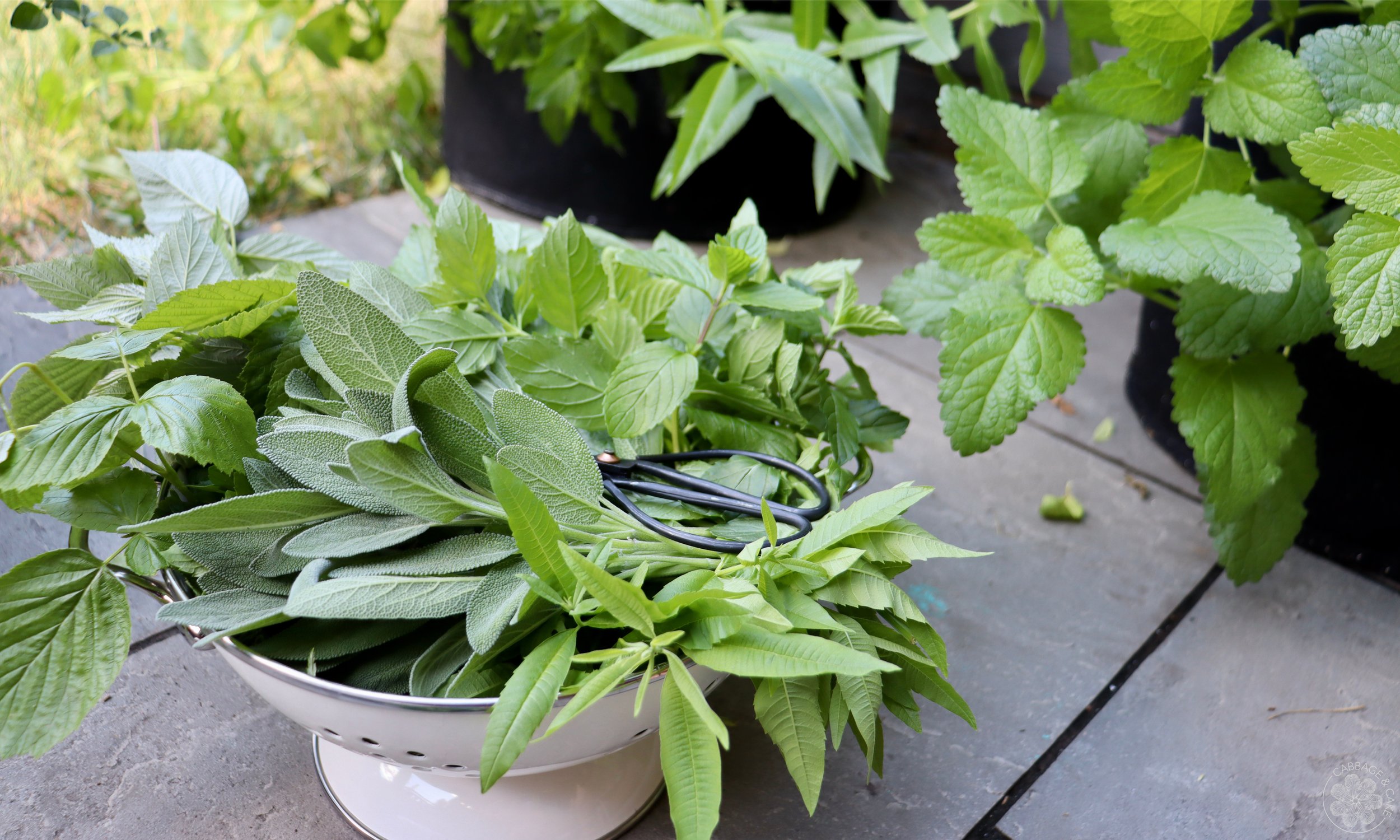

Mint has a refreshing, cool and slightly sweet flavour and pairs great with lemon balm, bee balm, lemon, ginger and honey. There are a lot of different types of mint to choose from. I prefer spearmint, Moroccan mint and chocolate mint for herbal infusions.
Mint tea can help support healthy digestion, respiratory issues and is a good source of antioxidants, which may help support the immune system.
Mint can also potentially help reduce stress and allergy symptoms as well as improve oral hygiene.
If you grow your own mint, be mindful about its tendency to spread if it isn’t contained to a certain spot. I like to plant my mint in grow bags or containers to prevent it from taking over the rest of my garden.

Raspberry leaves have a mild, slightly earthy and tannic flavour which pair nicely with lemon balm, chamomile, mint, lemon, honey or a splash of milk.
Raspberry leaf tea’s potential benefits are strengthening the uterus in preparation for labor and help with menstrual cramps and heavy periods.
I admit that a raspberry plant is not a real herb, but it does also have delicious berries and is probably one of my favourite additions to our backyard. So, since it makes a great tea and we all love to eat raspberries, I would say it’s definitely a win-win.
If you plan on planting some raspberries, be aware that they also love to spread. I have learned though if you don’t rip them out in the places you don’t want them but instead trim them all the way to the ground they usually don’t come up too bad again.
Raspberry leaf tea is my favourite drink during the first couple days of my period.
Sage has a strong earthy, slightly bitter and peppery herbaceous flavor and pairs nicely with lavender, mint, thyme and citrussy flavours.
Sage tea has several antioxidant and inflammatory properties and may help with oral health, lower blood sugar, support brain health, lower blood sugar and cholesterol and can help manage menopausal symptoms.
It could be a potential risk for pregnant and breastfeeding women and individuals with seizure disorders.
I personally love growing sage and the slightly bitter sage tea, and it is my go-to as soon as I get a sore throat.
If you grow your own sage in a colder climate, make sure not to prune it back too much in the Fall since it is vulnerable to the cold.
Anise Hyssop tastes like a blend of sweet licorice/ anise and mint with subtle herbaceous hints of fennel and a touch of lemon and pairs well with mint, chamomile, rose and lemon balm.
Anise hyssop tea is known for potential benefits related to digestive and respiratory health, as well as some circulatory and skin benefits.
It is generally considered unsafe for pregnant women, children and people with seizure disorders.
The anise hyssop plant gets rather tall during the summer and develops beautiful purple flower plumes which attract a lot of pollinators and make a lovely smelling addition to any garden bouquet.

Thyme is very aromatic with an earthy, slightly lemony and minty flavour which pairs well with chamomile, ginger, lemon and honey.
Thyme tea has anti-inflammatory and antimicrobial properties and can help with aiding digestion, potentially lower blood pressure, and may support respiratory health.
Thyme is my favourite herb ever and I like to include it into my cooking wherever I can. Thyme tea is my first go-to for cough symptoms.
I like to give it a good cut in the beginning of July before it starts to flower, and it will usually grow back nicely during the summer for more harvesting.
Lemon balm is a mild and refreshing lemon-scented and slightly minty herb which is part of the mint family which pairs nicely with mint, lemon verbena, anise hyssop and chamomile.
Lemon balm tea may help to improve mood, reduce stress symptoms and might help you sleep better. It can also aid with digestive issues like bloating and indigestion and may support liver function.
There’s nothing more relaxing than taking a couple of mindful minutes in your garden, being in awe of nature and smelling the scent of lemon balm on your fingers by rubbing them slightly over some fresh leaves.
Since lemon balm is a part of the mint family it likes to spread similar to mint, so be cautious where to plant your lemon balm. You might want to consider a planter or growbag.

Lemon verbena has a bright, refreshing, and subtly sweet lemony flavor with herbal undertones and pairs well with mint, ginger, chamomile and citrus.
Lemon verbena tea may help aid digestion, reduce inflammation and muscle pain, can help with anxiety and stress and might promote better sleep and relaxation.
If you like the taste of lemon balm you will love lemon verbena! To get more out of your plants I recommend pinching them early in the season to get them to grow bushier and get a more abundant harvest.
TIPS ON HOW TO HARVEST HERBS FOR INFUSIONS
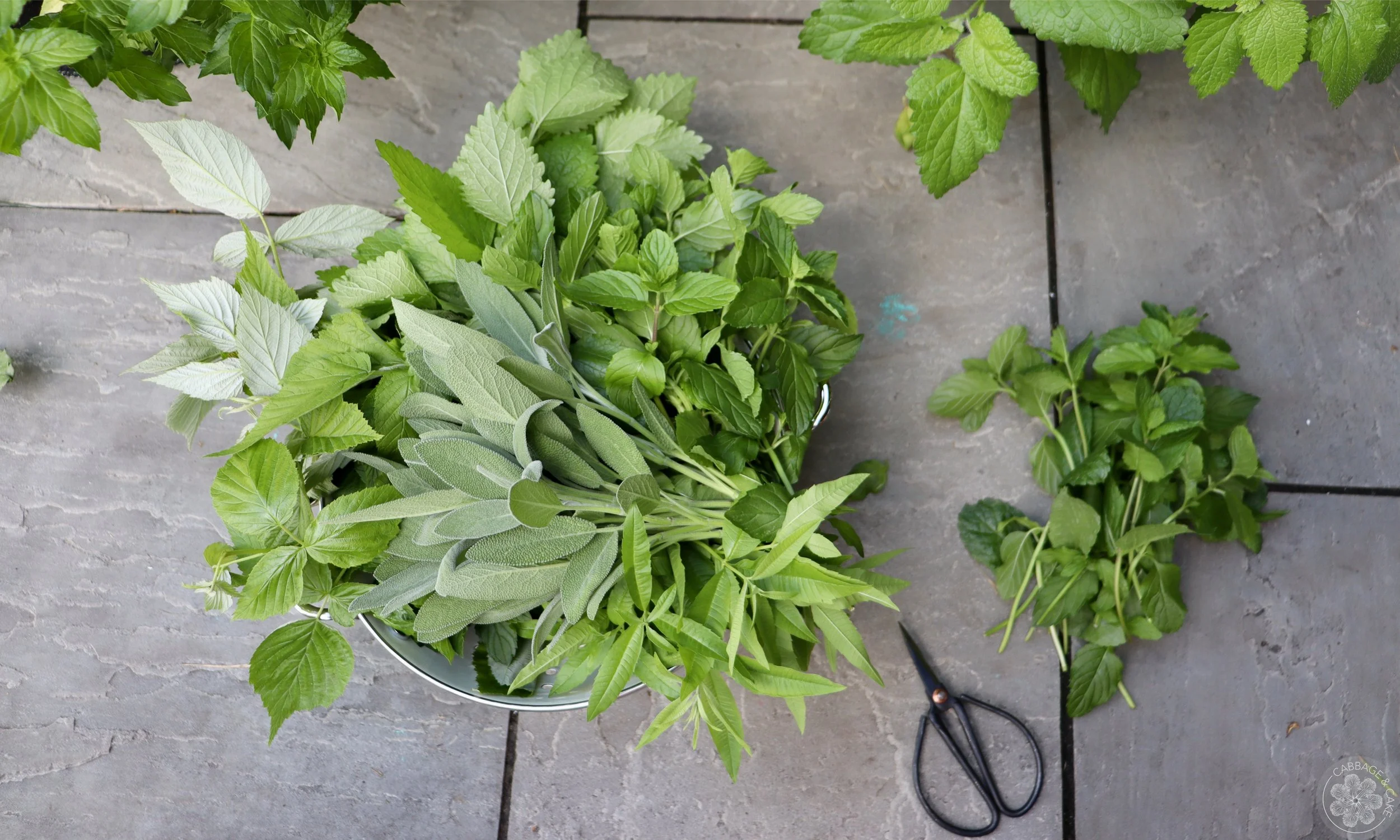
Cut leaves to dry for herbal tea either in the morning after the dew has dried or in the evening when the heat of the day is over.
Harvest healthy, new and tender foliage before the plant starts to flower to preserve natural oils and medicinal properties which will give you the best flavour.
Always cut stems just above a set of new leaves and avoid cutting it down all the way to the ground.
If you are foraging, be mindful to harvest only about a third of the plant, to leave it with enough energy to recover and enough food for wildlife and pollinators.
In your own garden and if you plant annual herbs this might look a little bit different. Some plants will even profit from cutting it back more rigorously or pinching it early in the season to branch out more later during the summer.
In case you live in a climate with a cold season, and it is right before the last frost you also might want to harvest more or even the whole plant if you don’t have a spot to overwinter them till spring.
TIPS ON HOW TO DRY YOUR HERBS
To dry herbs for infusions you can either lay them flat, bundle them up and hang or use a food dehydrator. I prefer bundling them up and hanging them for my homegrown herbs.
Gently shake off any dirt or debris from the leaves and wash only if absolutely necessary to avoid mold. If you wash your herbs, pat them dry with a towel or paper towel and let them fully dry spread out in the sun before bundling.
To bundle and dry them hanging up, gather a small bunch or a couple of sprigs or stems and secure them with twine or string tightly enough so they won’t fall out once dried.
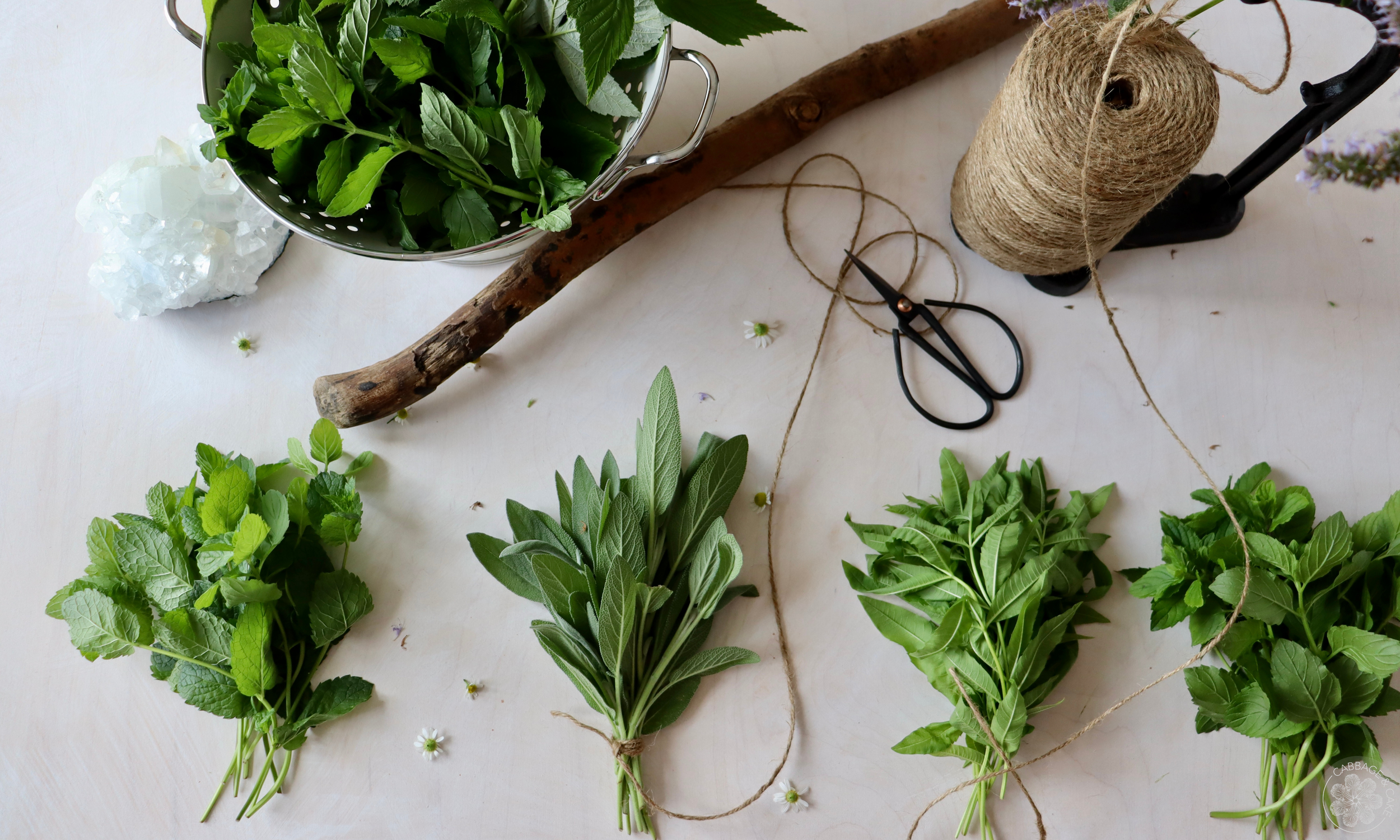
Hang them upside down in a cool, dry and well- ventilated area, away from direct sunlight and moisture. If you hang multiple bundles, ensure they have enough space in between to dry evenly.
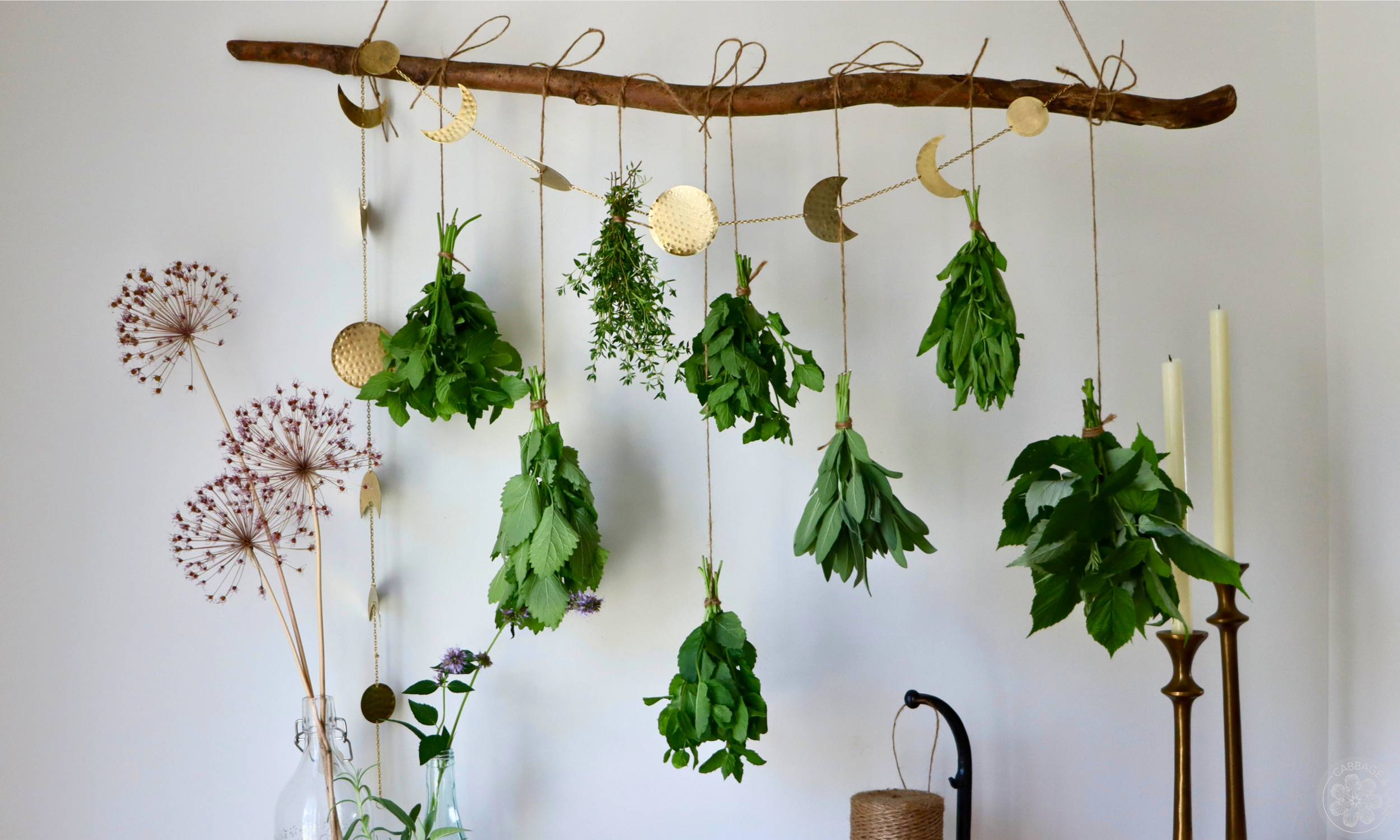
Drying your herbs and flowers can take up to a couple of weeks depending on the conditions, size and type. They will be dried completely once they crumble easily.
TIPS ON HOW TO STORE DRIED HERBS
FOR HERBAL TEA
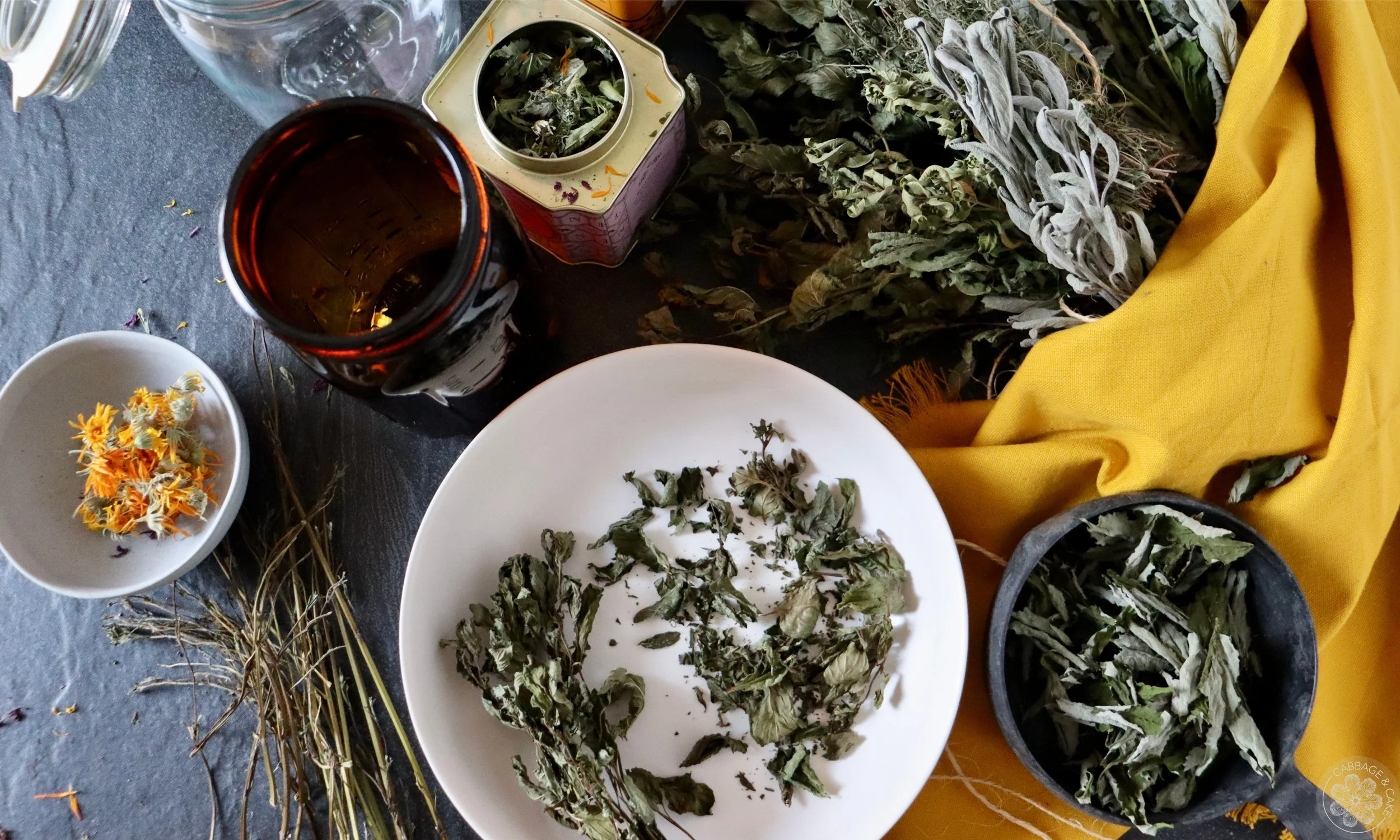
Once your herbs are completely dried, take the bundles apart and remove all dried leaves. This is my favourite part, apart from watching the plants grow and drinking the herbal infusions. It smells just so amazing when you take the leaves off and crumble them slightly with your hands.
It works great when you pinch the stem near the top and then run your fingers down the stem to pull all dried leaves off.
Crumble leaves between your fingers and store them in airtight jars or tea tins for up to a year in a cool and dark place.
You can either keep them separate or make tea blends with them.
I like to use brown Mason jars with lids or any tea tins I’ve already collected and label them for accurate recognition.
TIPS ON HOW TO BLEND DIFFERENT HERBS
AND POSSIBLE ADD-INS
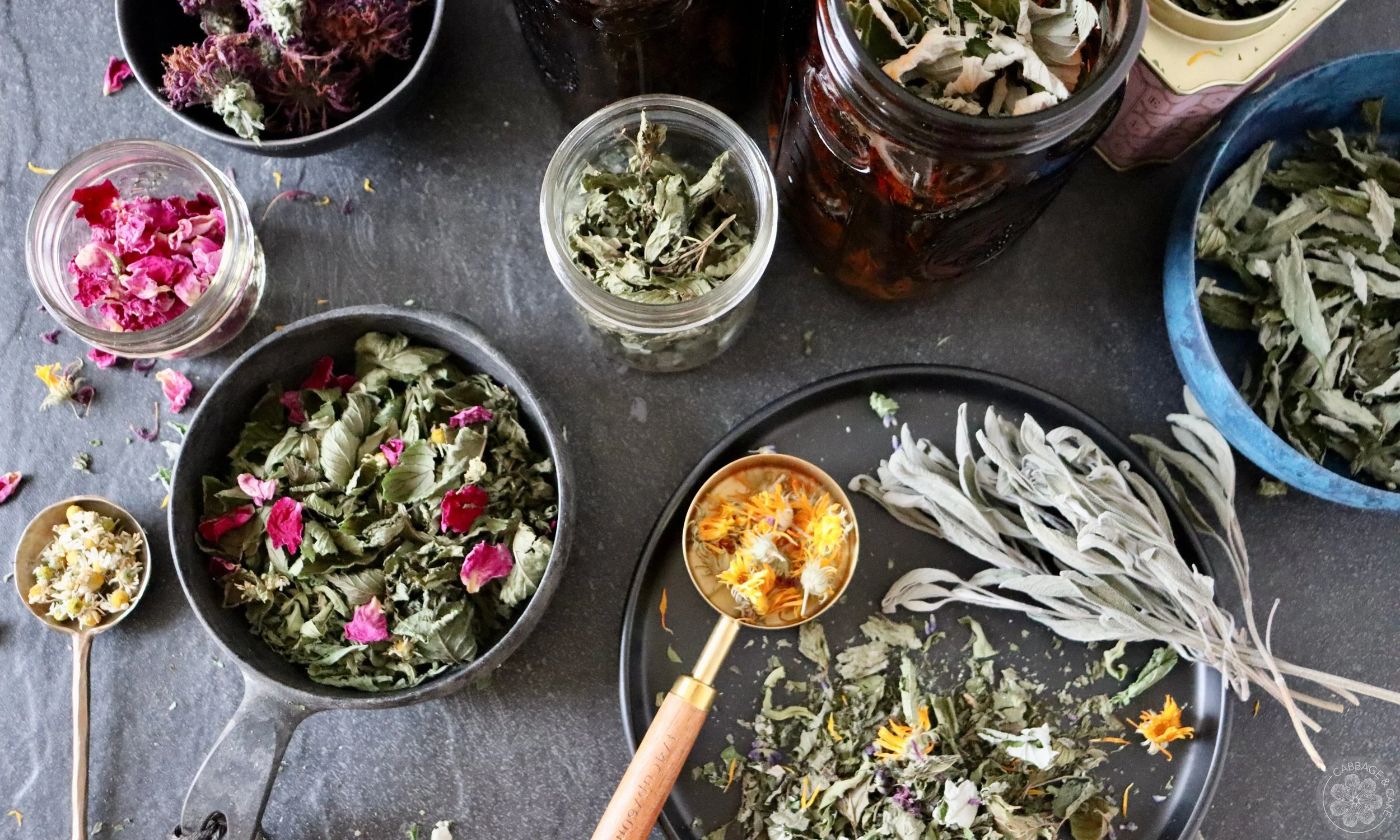
You can enjoy your homegrown and dried leaves as infusions on their own or get creative with mixing them into some custom tea blends.
In a bowl combine dried herbs and mix thoroughly. I like to use a main ingredient and two to three add-ins or accent flavours for tea blends.
Dried flowers like chamomile, rose, bee balm, lavender or calendula can add a nice pop of color and work well as an additional accent ingredient.
Beside dried flowers you could also add some dried fruits like apples, currants, lemon- or orange-peel, spices like vanilla, ginger, black pepper, cloves, anise seeds, cardamom, fennel seeds or cinnamon. Or you can experiment with cacao nibs, dried coconut and dried stevia for some sweetness.
I like to brew a cup of every blend before I store them away. This gives me an idea on how it will taste, and I can eventually adjust ratios or add in some more ingredients.
TIPS ON HOW TO BREW YOUR HERBAL TEA
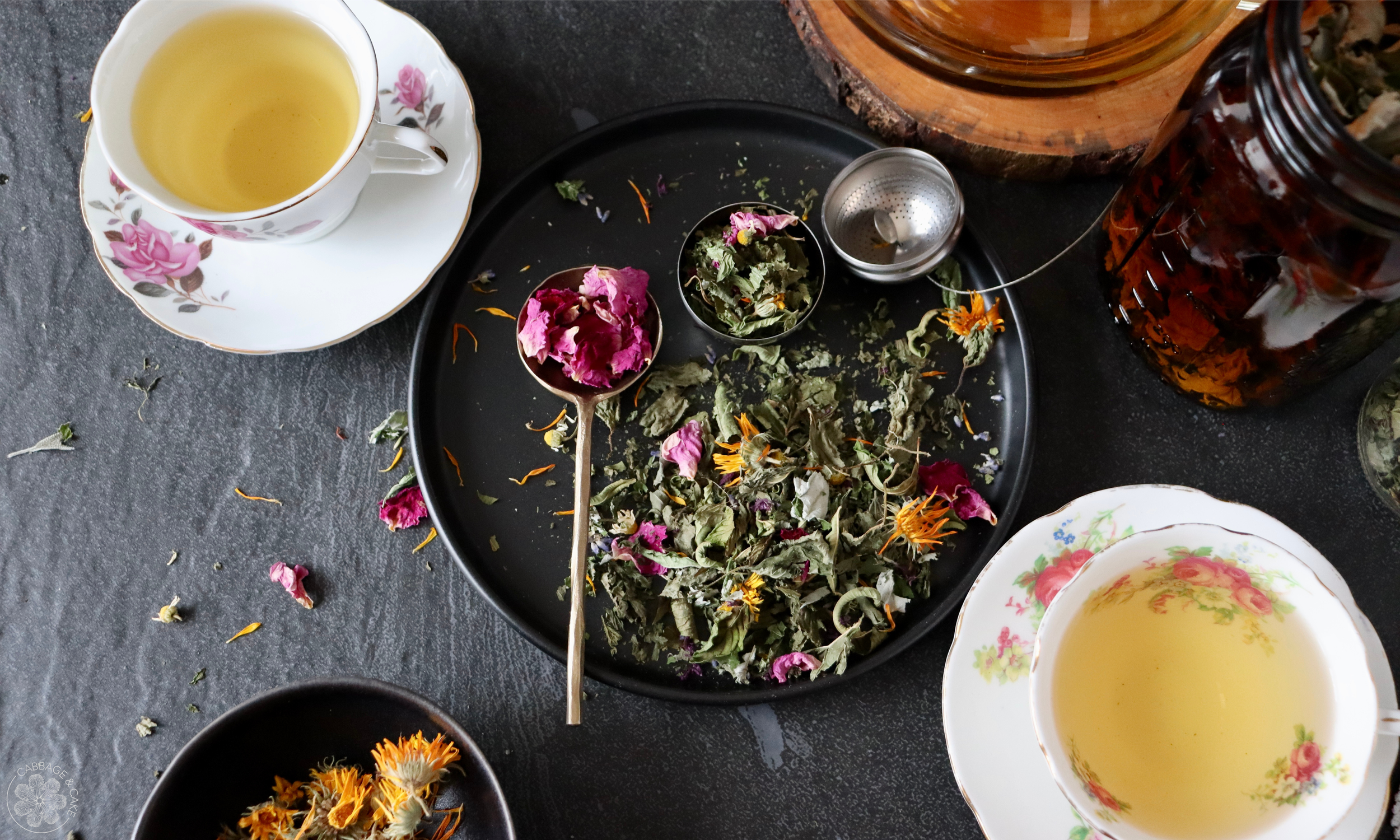
Once you have decided on your tea, crush the leaves to release their natural oils and boil some water.
Add 1-2 teaspoons per cup of hot water to your preferred tea filter, cup, tea pot or infuser and pour some hot water over them.
Let steep for 5-10 minutes, depending on your desired taste and strength, sweeten if you wish so and enjoy!
Tip: If you prefer to sweeten your tea with raw honey, let the tea cool down a bit first to ensure the raw honey’s potential health benefits. This will preserve its beneficial enzymes and vitamins without being degraded by too high temperatures.