

MY FAVOURITE EDIBLE FLOWERS AND HOW TO USE THEM
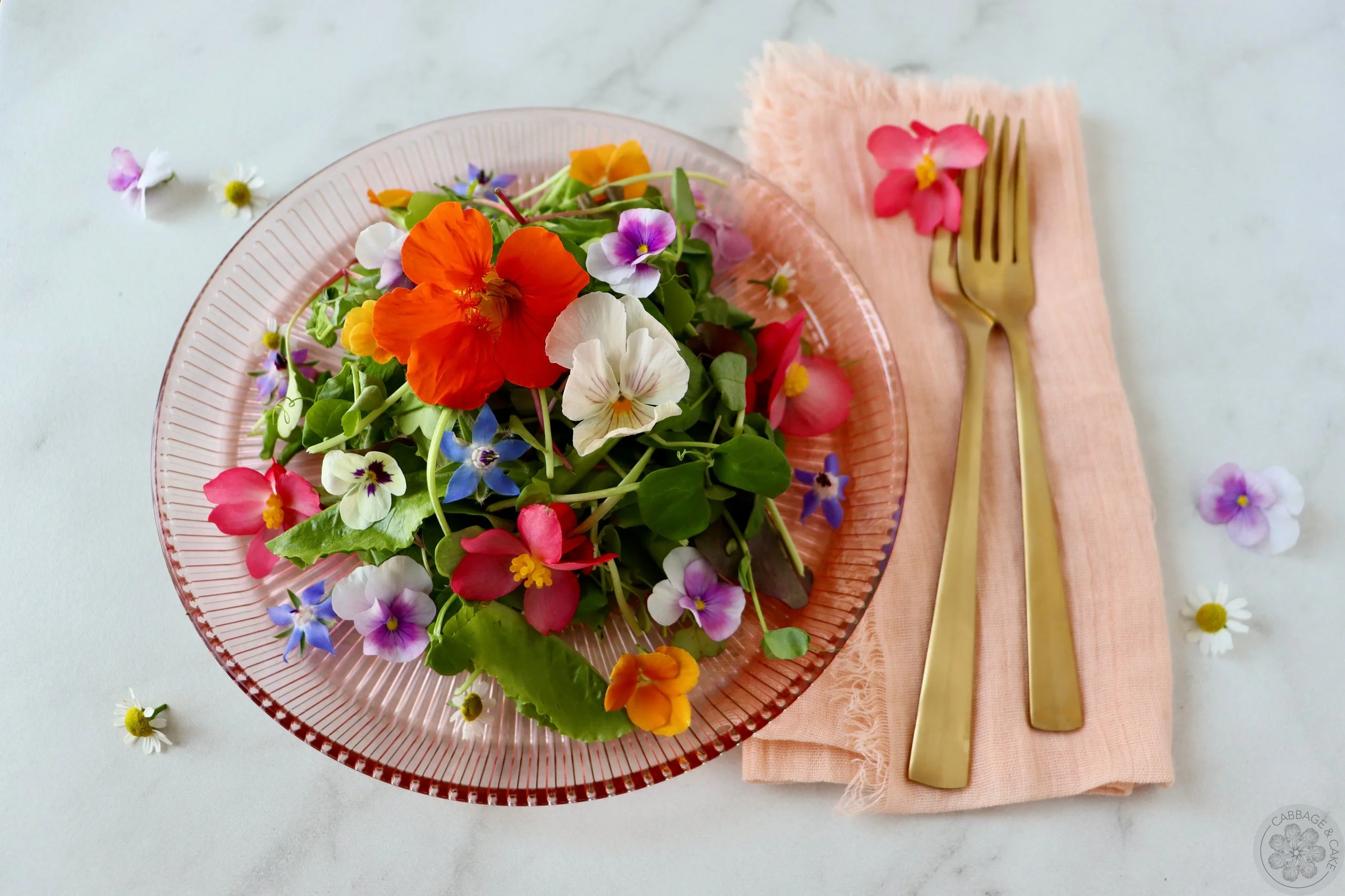
I really do love all flowers, but honestly I mean edible is even better! You can use edible flowers as beautiful tasty garnishes on salads, desserts, cakes, soups, grilled meats and vegetables, pasta dishes, on charcuterie boards and in drinks or cocktails, add them to ice cubes or into delicious herb butters and pesto.
Edible flowers are not only delicious and pretty but also easy to grow and a great addition to your outdoor space supporting pollinators. Most edible flowers don’t need a lot of space or extensive care to grow, and you can plant them in smaller spaces, utilizing window boxes, pots, grow bags and raised beds.
Edible flowers always add a pop of colour and a fresh taste to our food and make everything a bit more magical and whimsical, just like these EDIBLE FLOWER CREPES, made with the cutest little violas in Spring or my BEET BROWNIES WITH GINGER AND CINNAMON decorated with fresh and dried edible flowers in Fall.
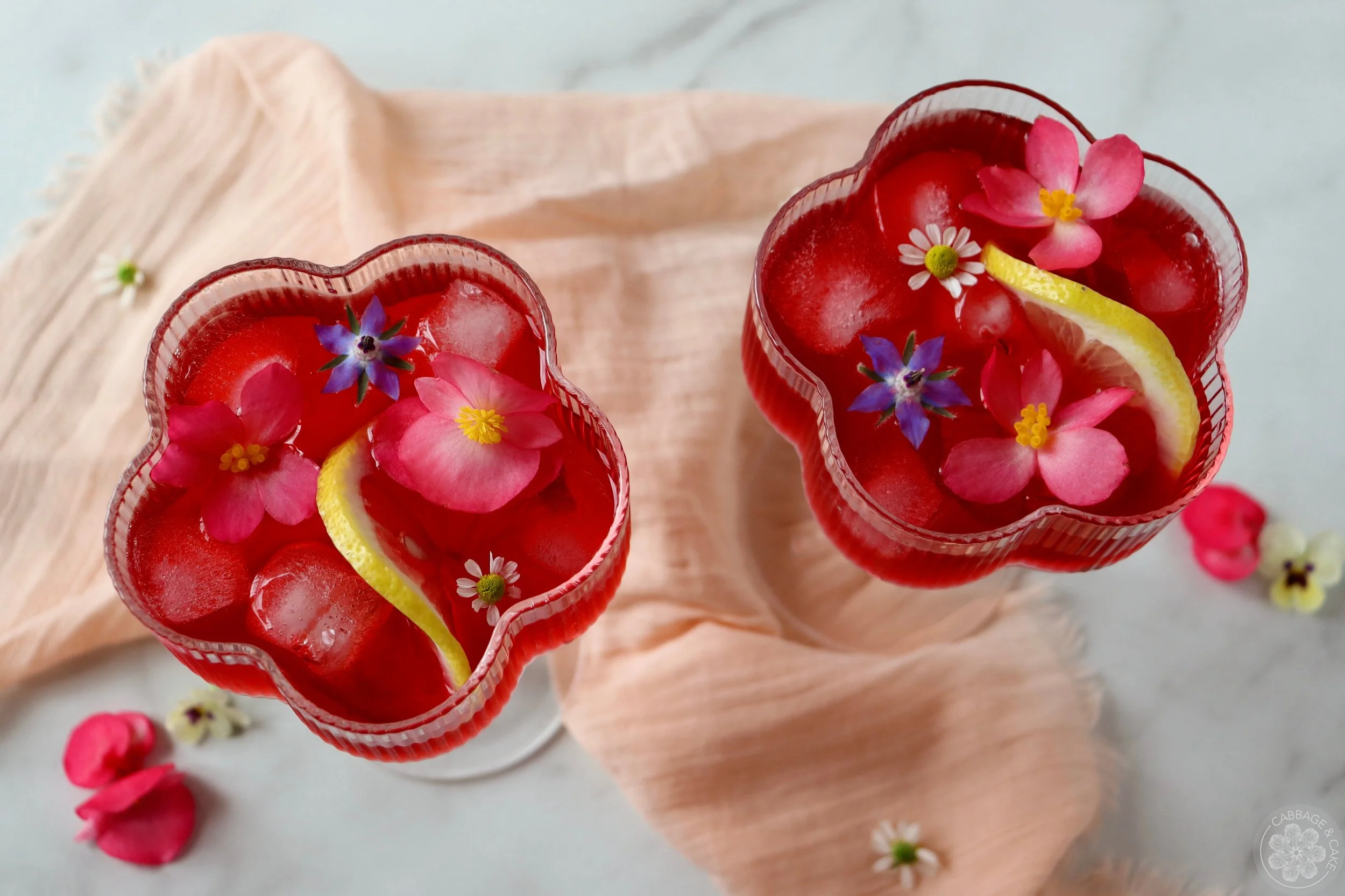
In this post I will introduce you to some of my favourite edible flowers: NASTURTIUMS, BEE BALM, LAVENDER, BORAGE, MARIGOLDS, VIOLAS, CHAMOMILE, CALENDULA, WILD ROSES and BEGONIAS. I’ll describe how I like to grow them in my garden, how they look and taste, and what you can use them for.
You can use edible flowers fresh right after harvesting or dried during the colder months. Make sure to check out my post on how to make a DIY HERB DRYING RACK WITH EMBROIDERY HOOPS and my DIY UPCYCLED BOOK FLOWER PRESS for more tips on how to best dry them.
TIPS ON HOW TO HARVEST
YOUR EDIBLE FLOWERS
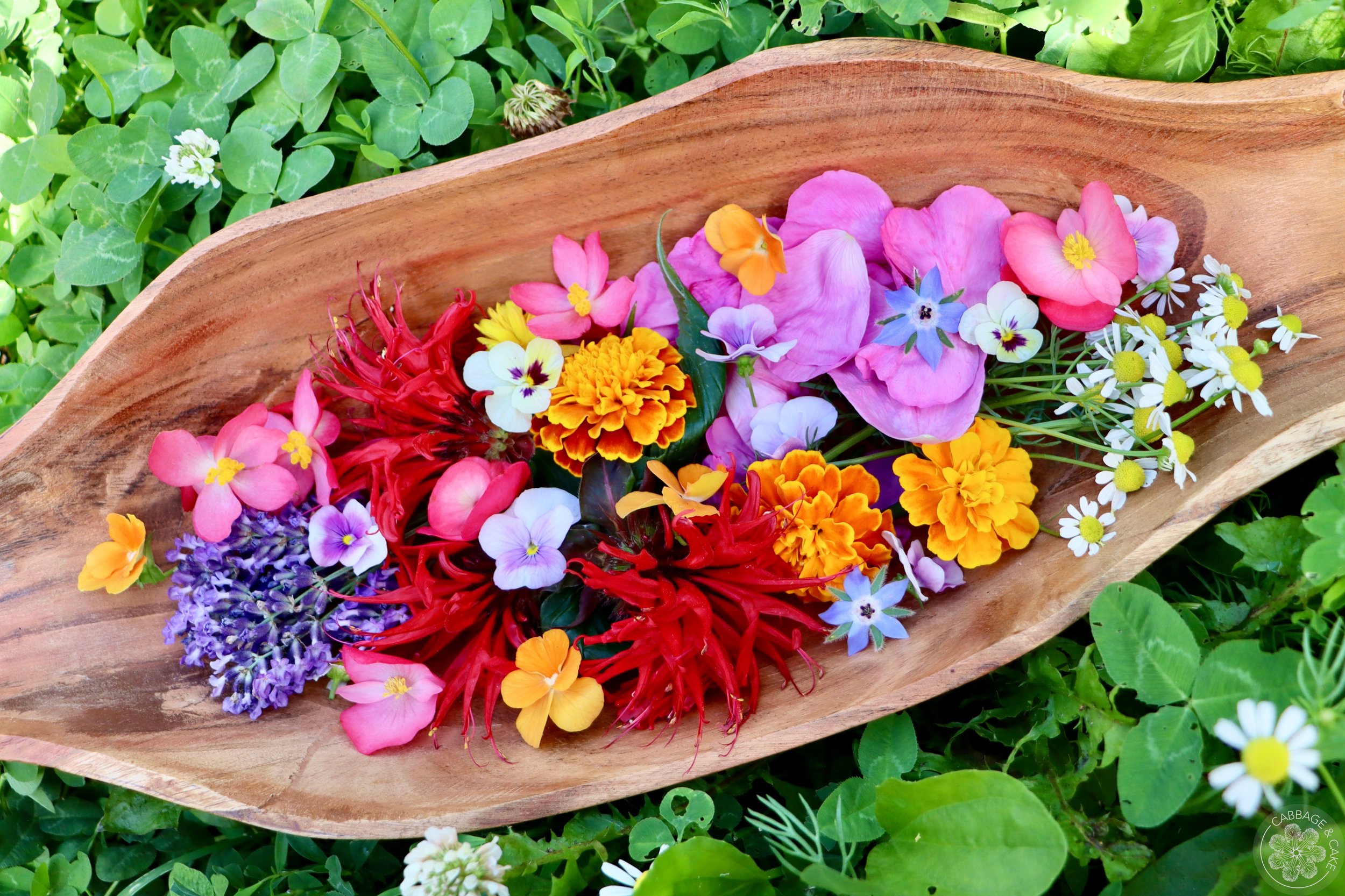
Always make sure to properly identify your edible flowers and make sure they haven’t been sprayed with pesticides or chemicals.
Harvest your edible flowers either in the morning after the dew has dried or in the evening when the heat of the day is over.
Harvest healthy, clean and new blooms which will give you the best flavour and look great, using clean and sharp scissors or pruners.
If you are foraging, be mindful to harvest only about a third of the plant, to leave it with enough energy to recover and enough food for wildlife and pollinators.
Handle your edible flowers with care and avoid pinching, crushing or squeezing them.
TIPS ON HOW TO DRY YOUR EDIBLE FLOWERS
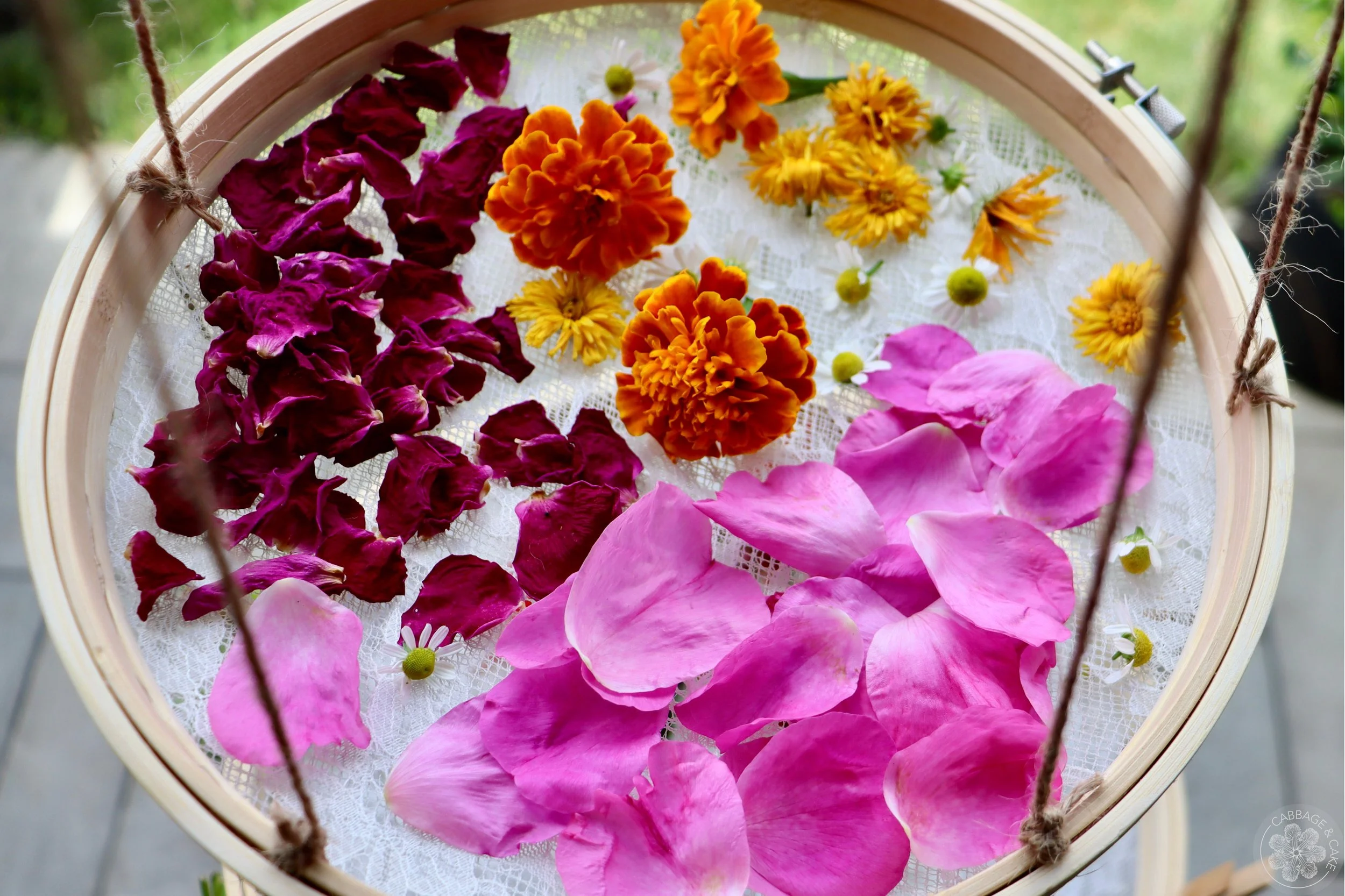
If you don’t want to use your edible flowers fresh after harvesting and preserve them for the colder months you can dry them by laying them flat on a mesh screen, hanging them up in bundles or pressing them in a flower press.
To dry flower heads and petals on a mesh screen, simply lay them flat on a mesh screen in a cool, dry and well-ventilated area out of direct sunlight until they are thoroughly dried. Make sure to leave enough space in between to dry your flowers evenly. Check out my post for a DIY HERB DRYING RACK WITH EMBROIDERY HOOPS if you need some extra drying space.
To dry your edible flowers hanging up in bundles, cut the stems a bit longer, gather a small bunch or a couple of sprigs or stems and secure them with twine or string tightly enough so they won’t fall out once dried. Hang them upside down in a cool, dry and well- ventilated area, away from direct sunlight and moisture.
If you hang multiple bundles, ensure they have enough space in between to dry evenly. Once your bundles are completely dried, take them apart and remove all stems. For a detailed description on how I like to hang my herbs, please read my post about MY FAVOURITE 7 HERBS TO HARVEST AND DRY FOR HERBAL TEAS ALL WINTER LONG.
To press your flowers in a flower press make sure they are freshly picked and dry, switch out the absorbent paper regularly to avoid moisture or mold and let them dry thoroughly for 2-4 weeks before taking them out. Check out my DIY UPCYCLED BOOK FLOWER PRESS to press any small edible flowers.
TIPS ON HOW TO STORE YOUR EDIBLE FLOWERS
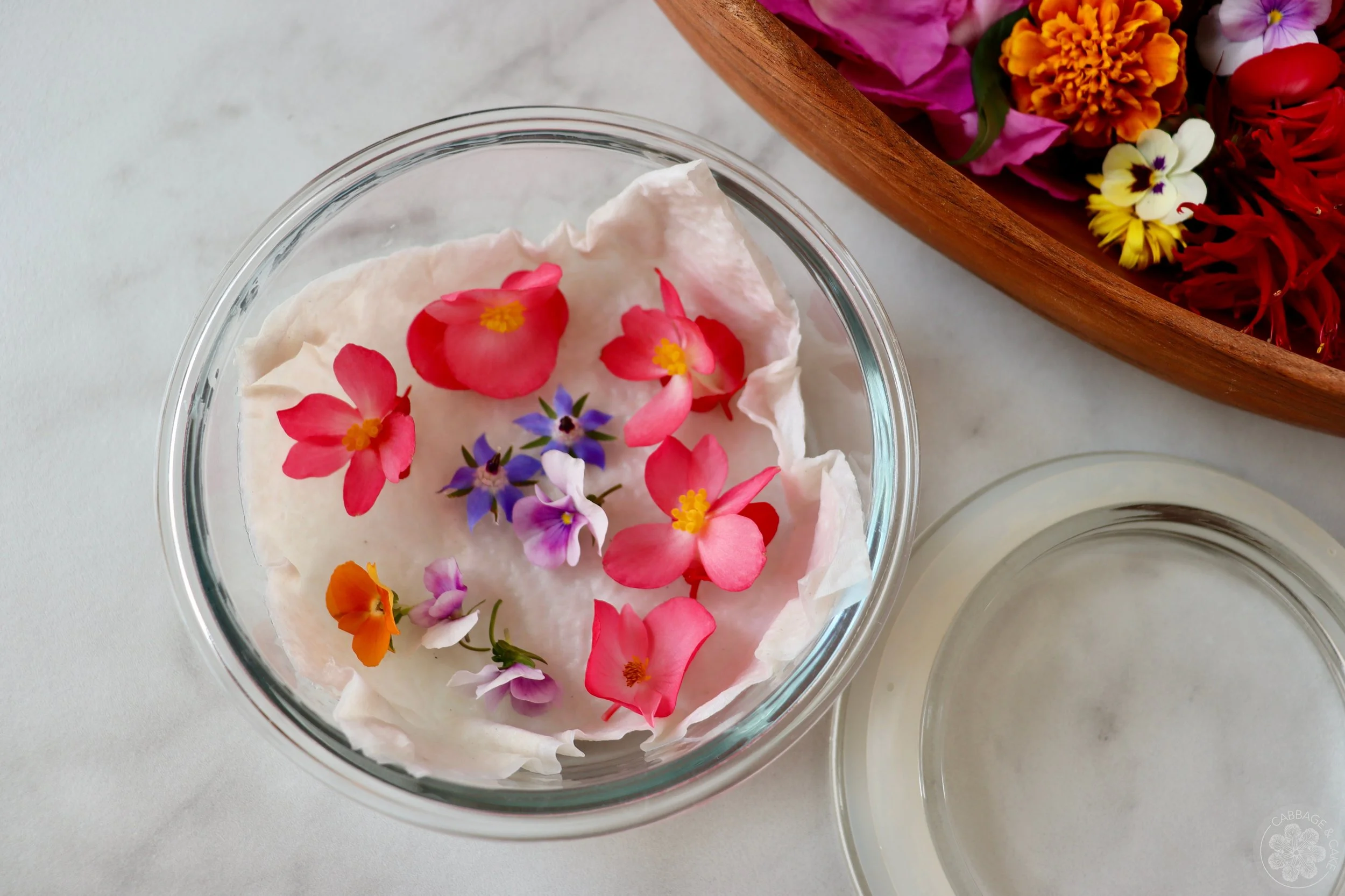
I recommend using your edible flowers right after harvesting. If you need to keep them fresh for a couple of days keep them in a shallow airtight container, lined with a moistened paper towel in the fridge. Place them in a single layer to avoid them from getting squeezed or crushed.
To store your dried edible flowers and petals, keep them in an airtight container like tea tins or brown mason jars in a dry, cool and dark spot and don’t forget to label them for accurate recognition.
Pressed flowers can be stored in between layers of paper in envelopes or boxes away from any moisture and light to prevent them from fading.
MY FAVOURITE EDIBLE FLOWERS AND
HOW YOU CAN USE THEM
In the following, I will introduce you to some of my favourite edible flowers: NASTURTIUMS, BEE BALM, LAVENDER, BORAGE, MARIGOLDS, VIOLAS, CHAMOMILE, CALENDULA, WILD ROSES and BEGONIAS. I like to grow these in my garden, and will describe how they look and taste and what you can use them for.
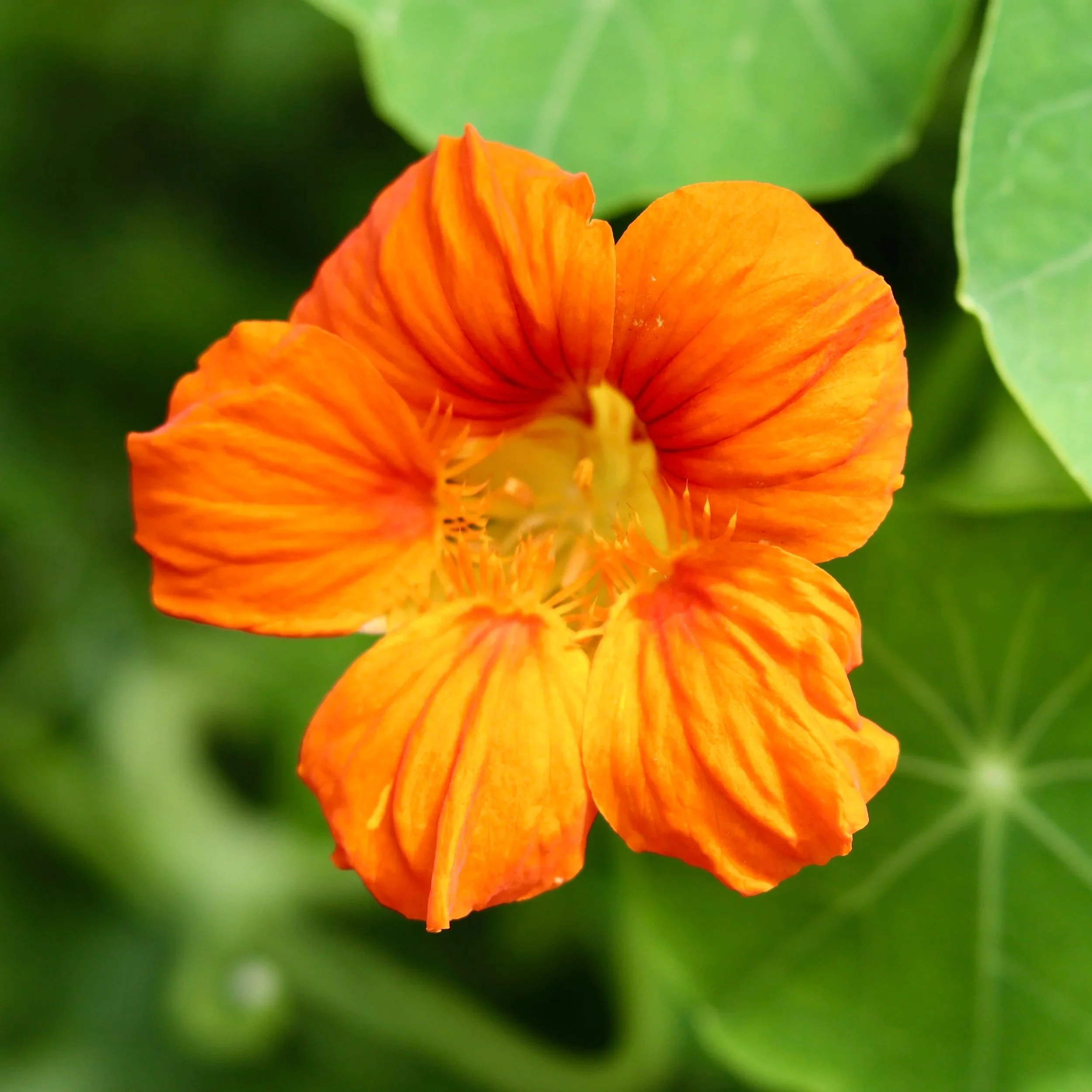
NASTURTIUMS
have beautiful trumpet shaped blooms that come in an array of yellow, orange and red shades.
have a peppery and spicy taste.
are a great addition to salads, soups, pesto, and herb butters. Flowers, leaves and seed pods are edible!
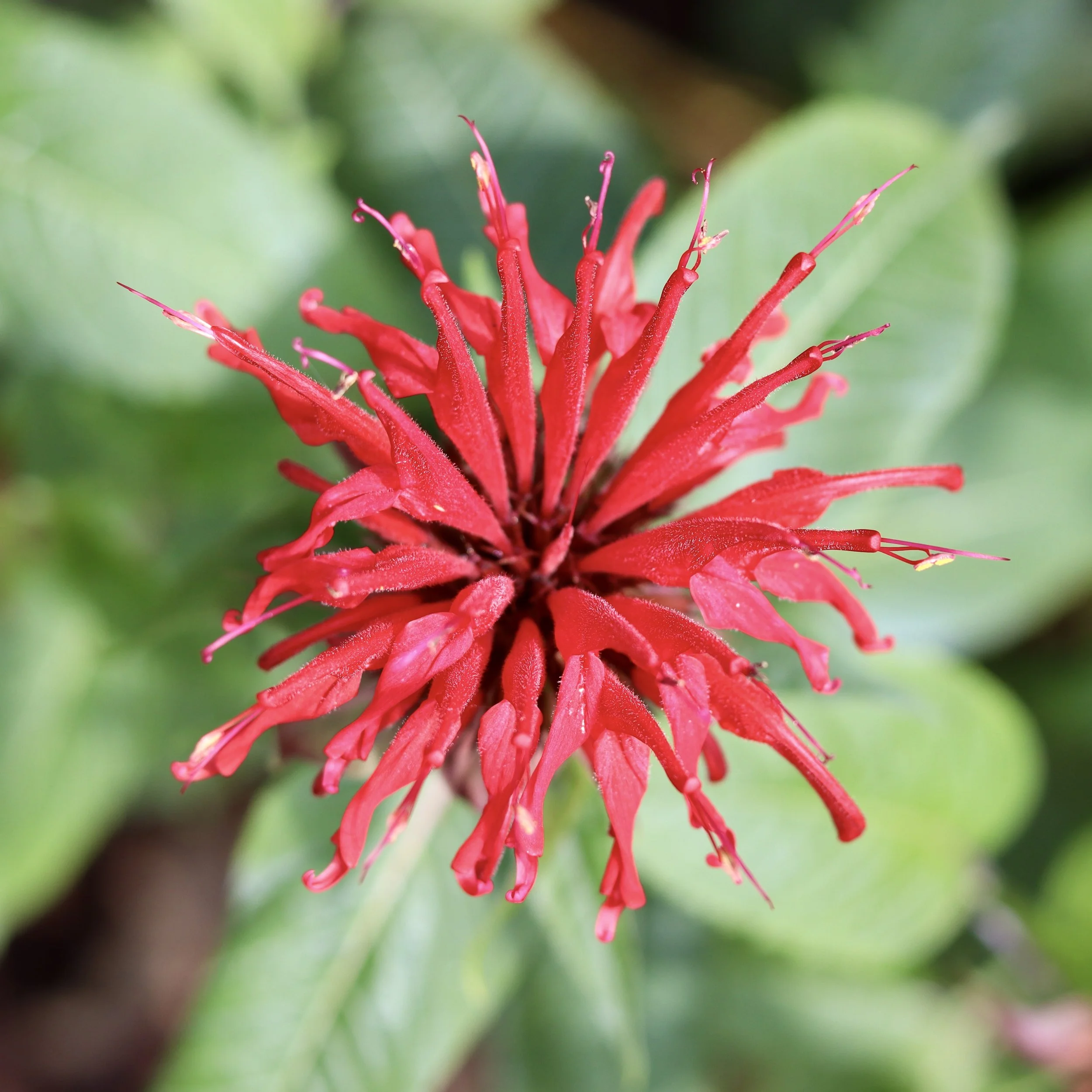
BEE BALM
has vibrant red and pink flowers that look like fireworks exploding.
tastes like a mix of mint and citrus and a bit peppery.
can be used as a garnish or in sauces, on salads or fish recipes, add them to herb butters, freeze in ice cubes to add to drinks and lemonades.
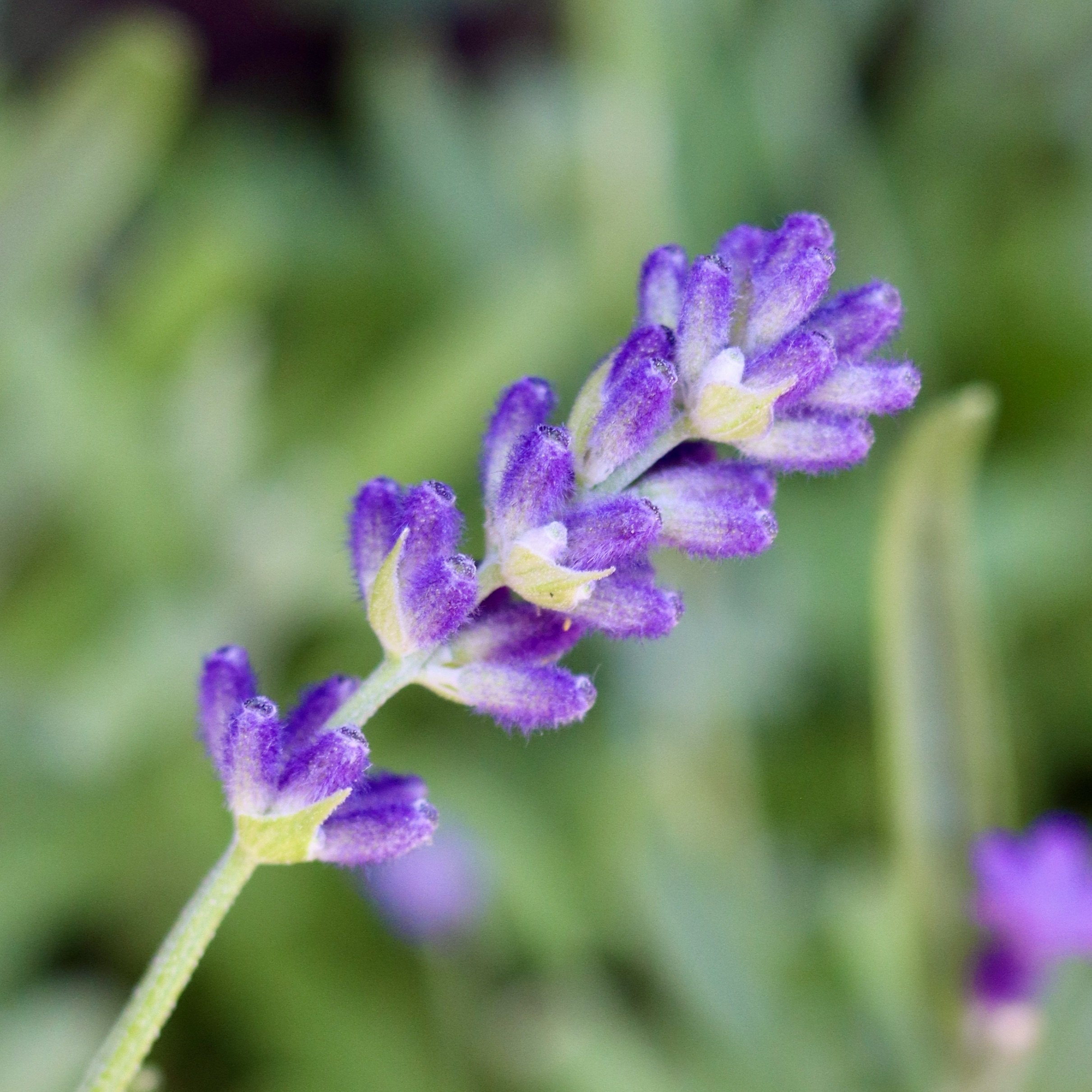
LAVENDER
has long flower spikes with lots of small purple flowers wrapped around the stem.
flowers taste sweet, floral and herbaceous
they are excellent for desserts in combination with dairy, lemon and honey, in drinks and cocktails, with lamb or dried for tea and natural skin care products.
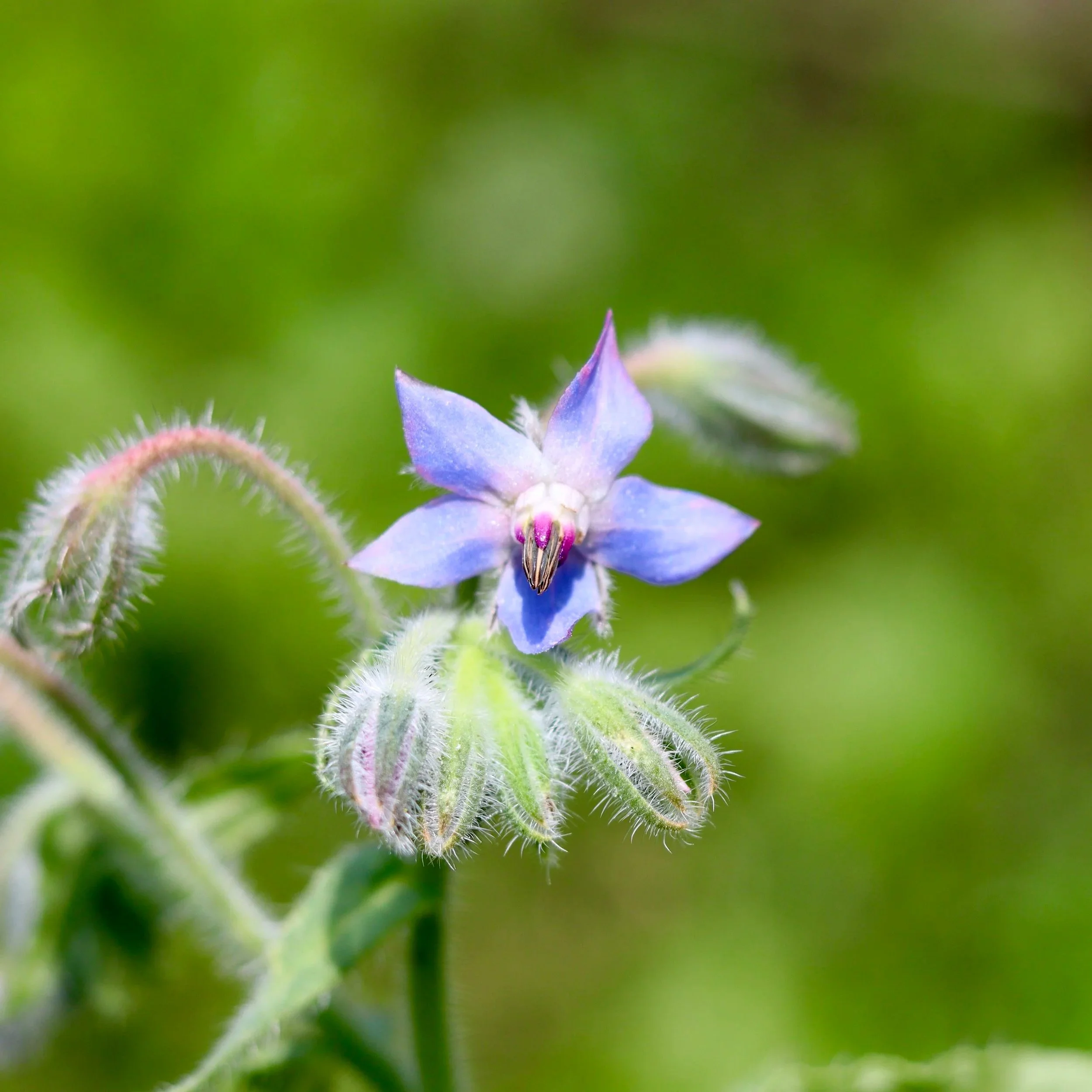
BORAGE
has small star-shaped vivid blue flowers.
flowers have a mild and sweet cucumber-like taste.
is great to add into salads, use as a beautiful garnish or frozen into ice cubes, and added to refreshing drinks.
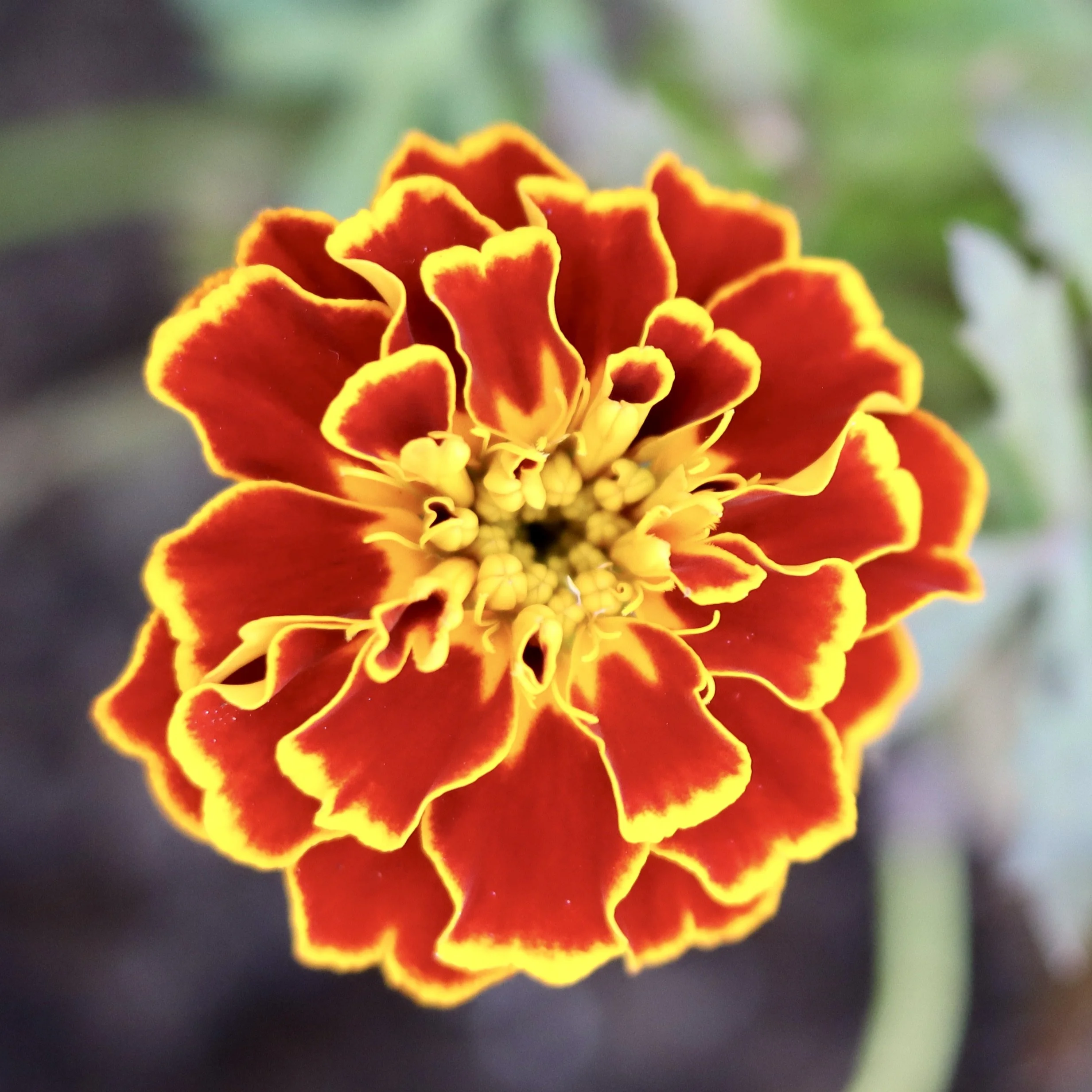
MARIGOLDS
have bright golden-orange and red flowers.
have a floral, peppery and citrusy flavour.
make a colourful garnish on soups, grilled meats and vegetables and are a great addition to herb butters, desserts and salads.
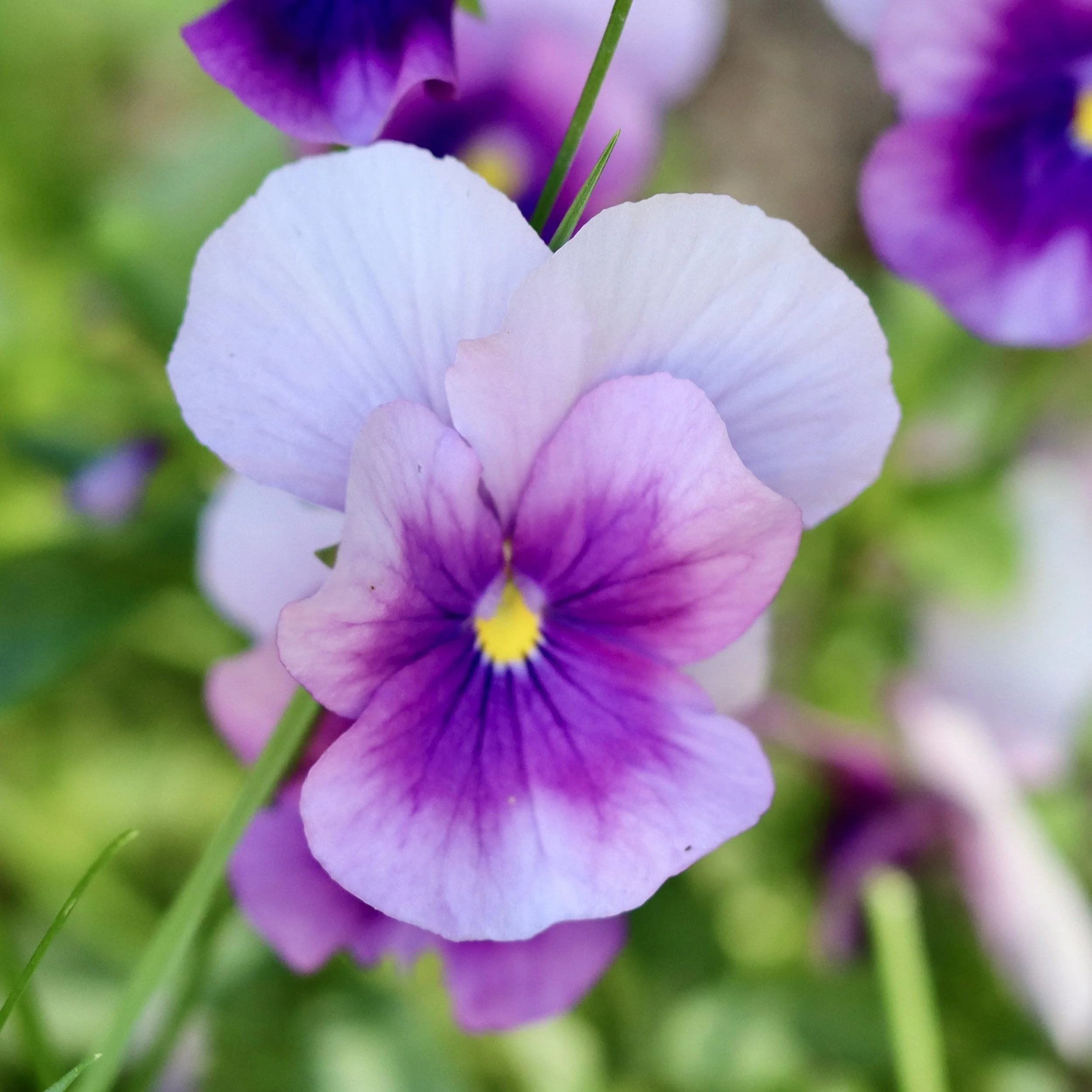
VIOLAS/ PANSIES
have the cutest little flowers that come in an array of beautiful colours.
taste mild and sweet and have a lettuce-like flavour.
are perfect for spring desserts and salads, in drinks and look great on cheese platters and dips.
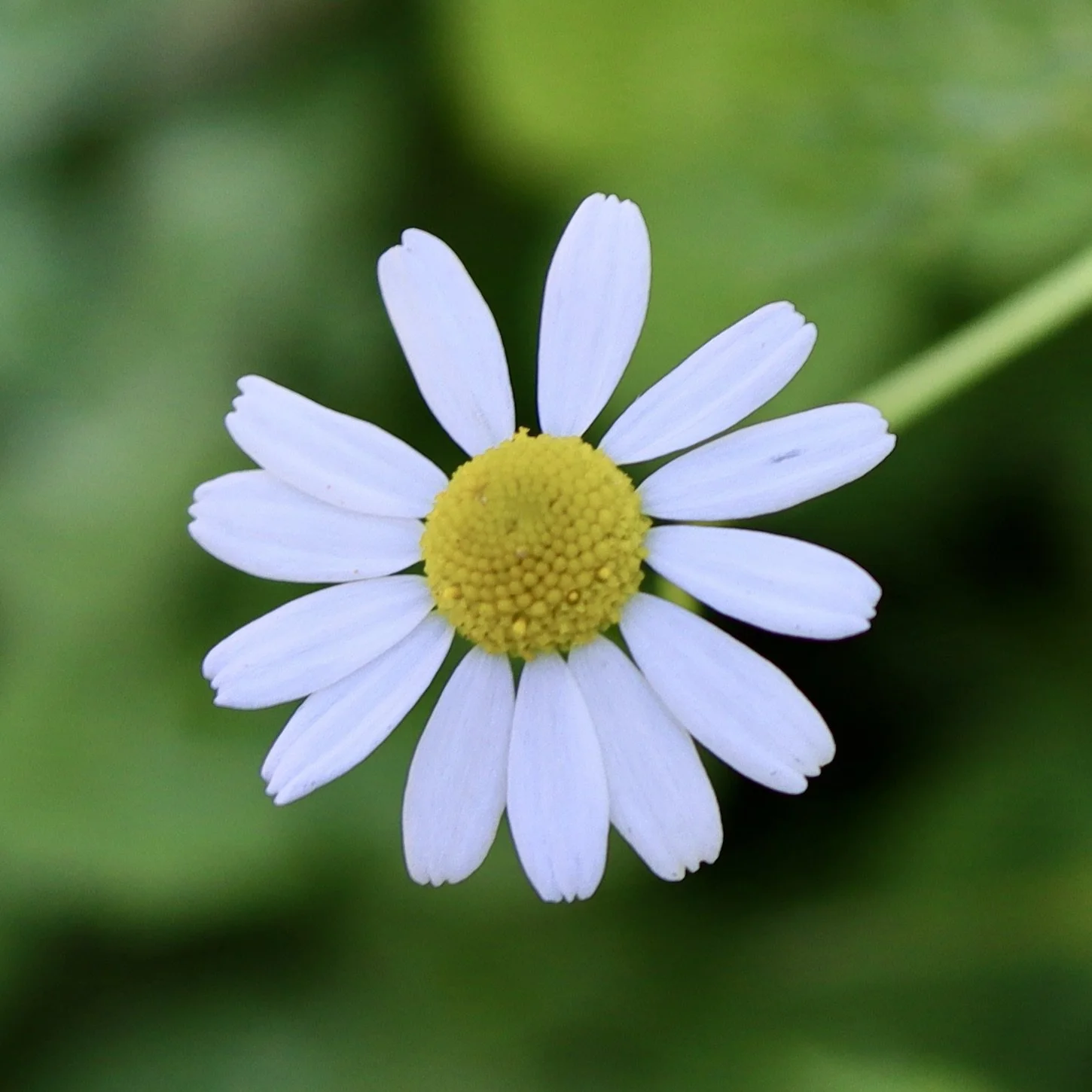
CHAMOMILE
has adorable little white flowers.
flowers have a mild sweet, floral and herbaceous flavour.
blooms make sweet garnishes for salads and desserts, can be used for natural skin care products or dried for herbal infusions.
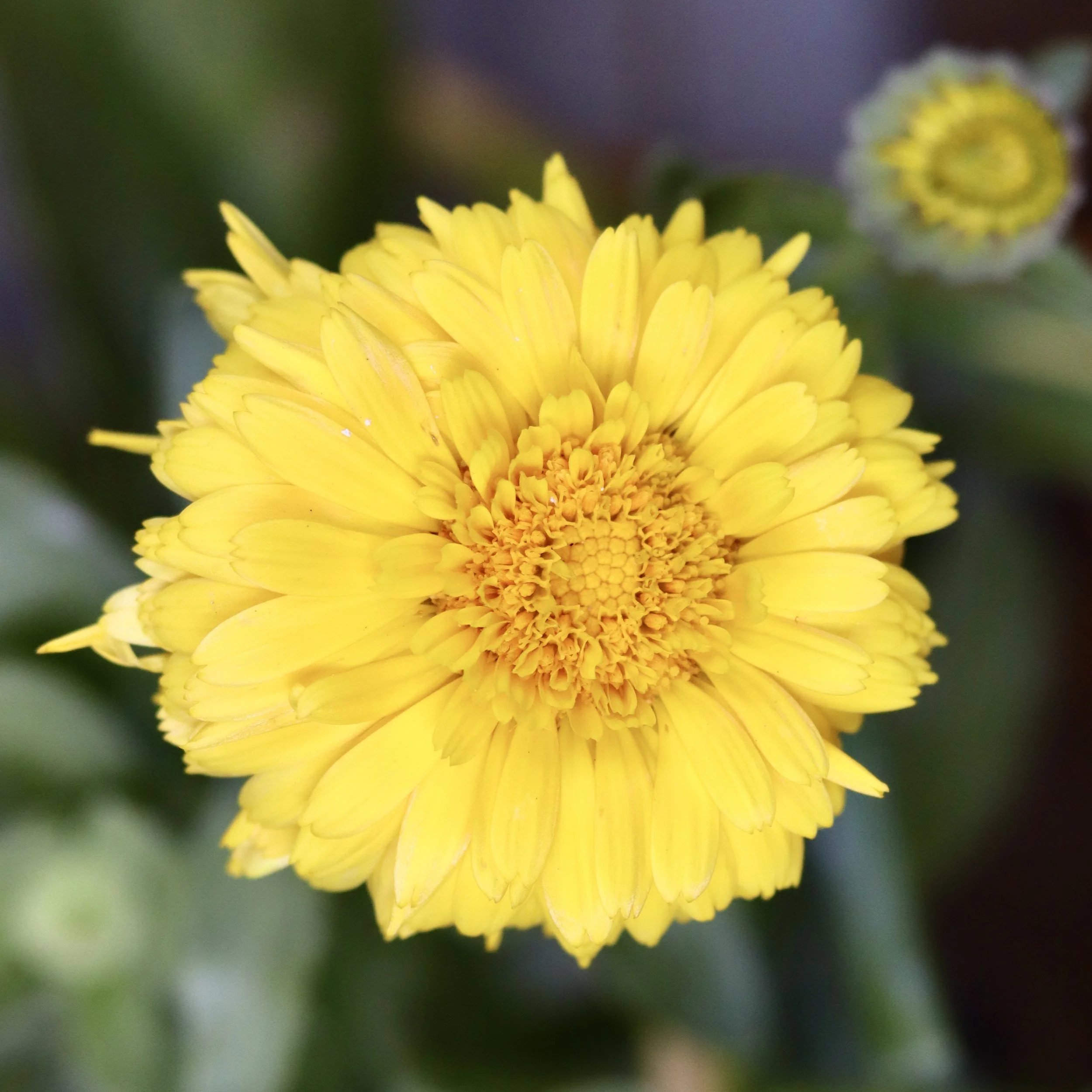
CALENDULA
has beautiful golden- orange flowers.
flowers are mild in flavour and can be slightly bitter and peppery.
makes a great addition to salads, soups, desserts and butters. Dried flowers can be added to tea blends and used for natural skin care products.
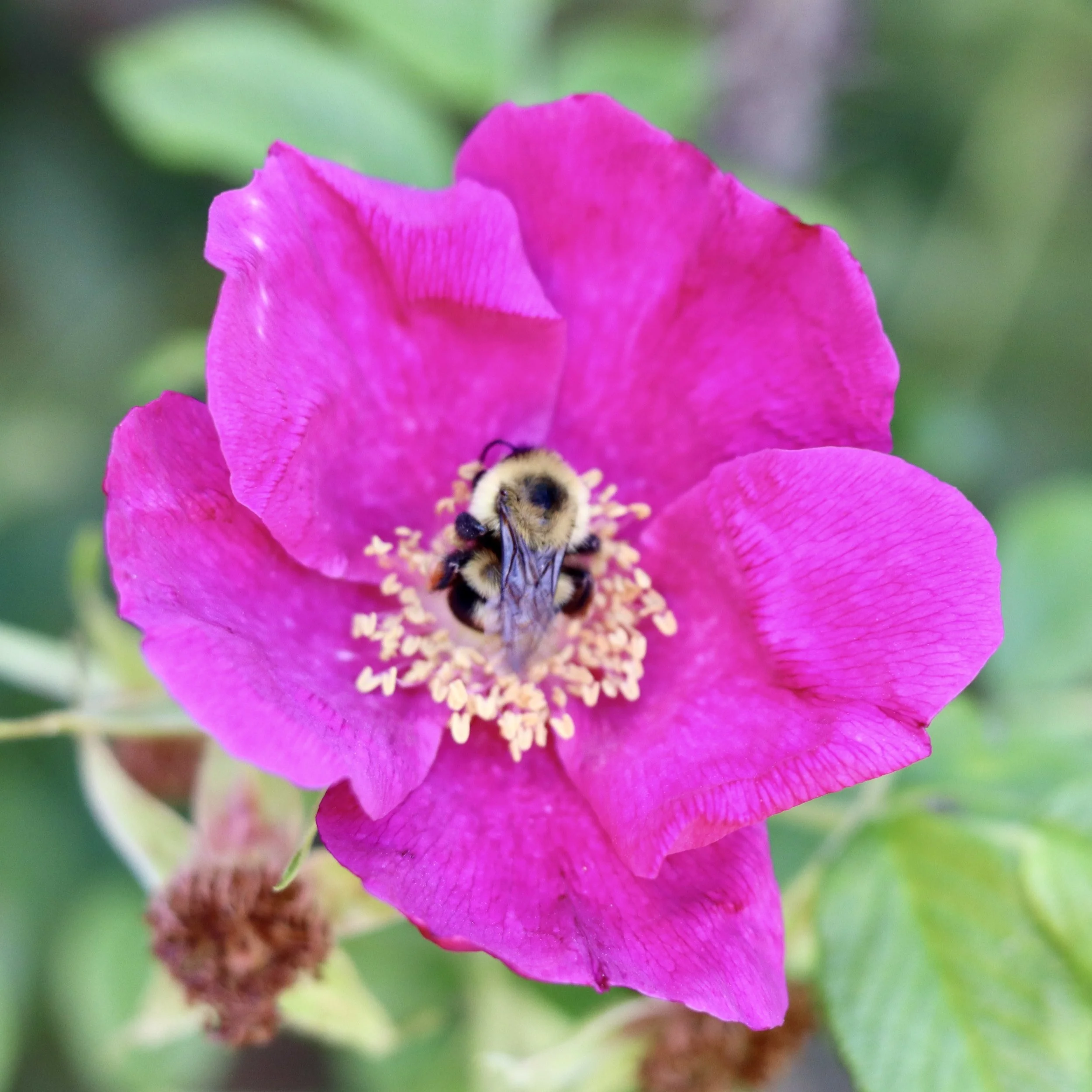
WILD ROSES
have pink five petaled flowers.
blooms taste sweet, floral and slightly tart. Make sure to pinch off the white base part which can be bitter.
add flower petals to salads, fruit bowls or use to infuse sugar, honey, oils or salt. They can be used as garnishes or dried for tea.
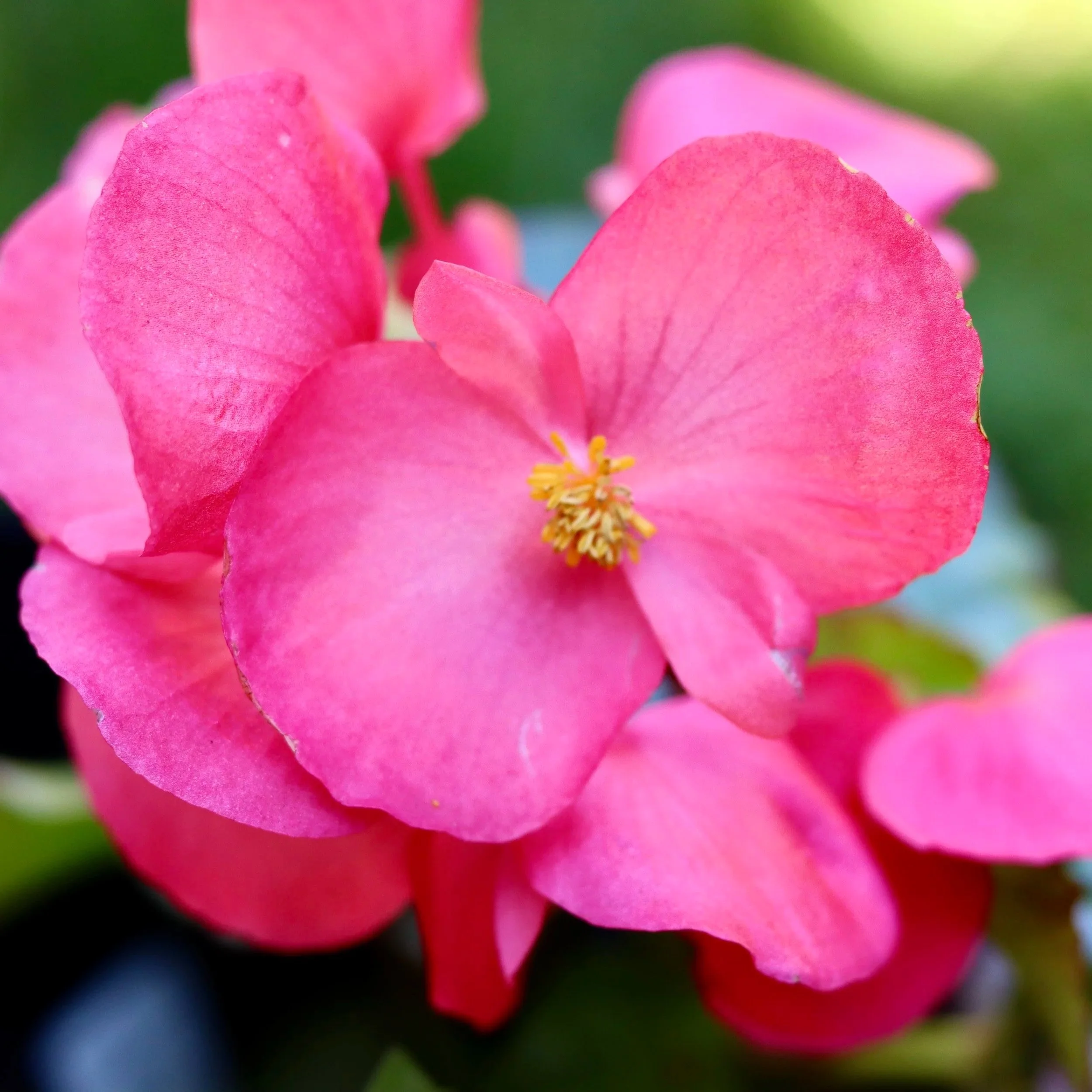
BEGONIA
Flowers come in vibrant colours of pink, white, yellow or red.
Have a citrusy and lemony, slightly sour and peppery flavour and a crisp texture.
They can be used for garnishes, in salads, desserts, seafood and summer drinks.
Use wax or tuberous begonias.